Brake Pad Replacement Croydon Guide
That sharp squeal when you slow down at a Croydon junction is not something to put off until next week. If you need brake pad replacement Croydon drivers can rely on, speed matters – not just for safety, but to avoid turning a simple job into a more expensive brake repair.
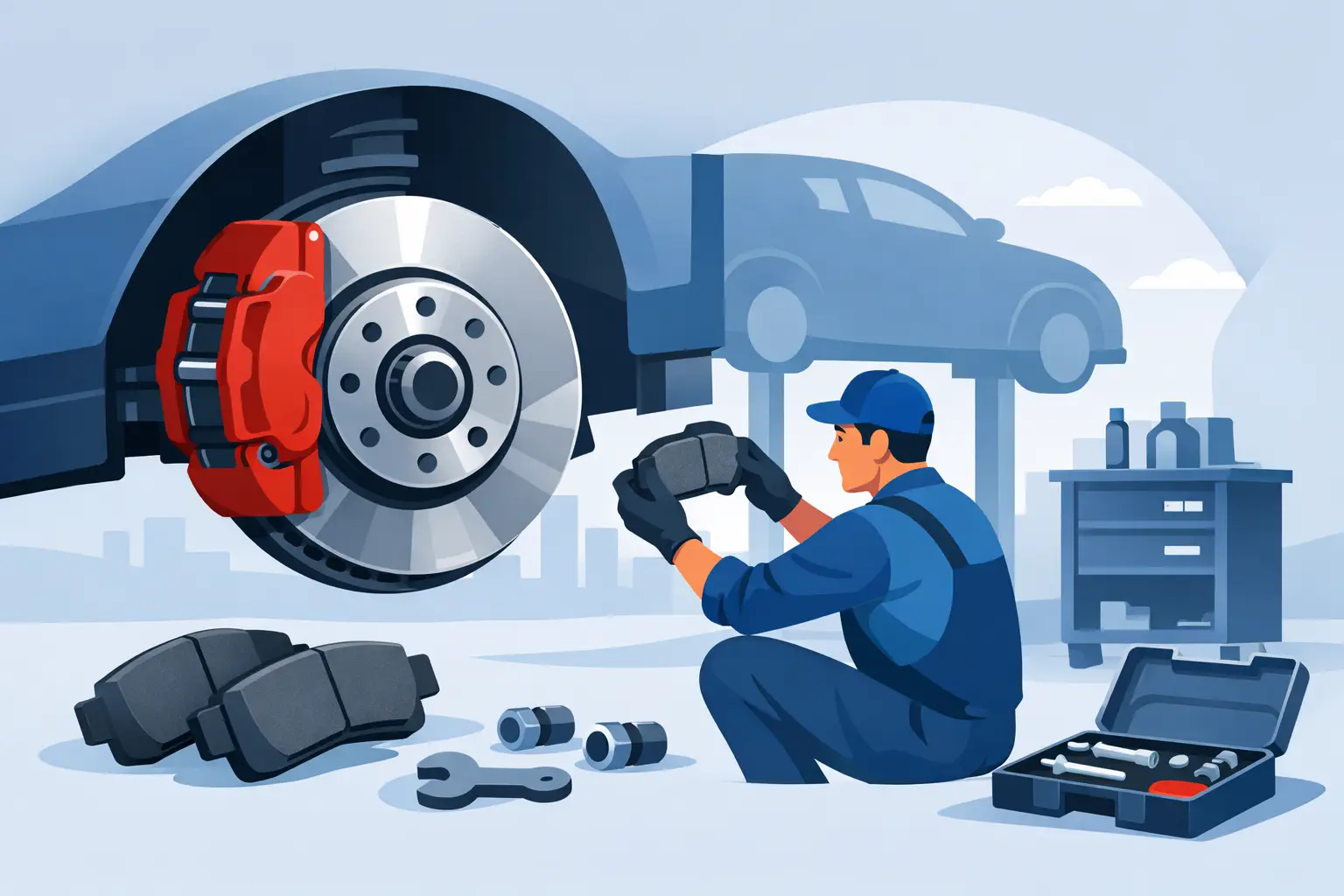
Brake pads are a wear-and-tear part. They are meant to wear down over time, especially if you do a lot of stop-start driving, school runs, short trips, or daily commuting through South London traffic. The good news is that replacing them early is usually straightforward. The bad news is that many drivers wait until the warning signs are too obvious to ignore.
When brake pad replacement in Croydon becomes urgent
Most brake pads do not fail all at once. They wear gradually, which gives you a chance to catch the problem early. The issue is that drivers often get used to small changes in the way the car feels and sounds.
A squeaking or grinding noise is one of the clearest signs. Squeaking can happen when the pads are low. Grinding often means the friction material is badly worn and metal may be contacting metal. At that point, the job may no longer be just a pad change. Your brake discs could be damaged too.
You might also notice the brake pedal feels different. It can feel softer, less responsive, or take more pressure than usual to slow the vehicle. Some cars also show a brake warning light on the dashboard, although that should not be your only guide. Not every braking issue triggers a light.
If the car pulls to one side under braking, that is another sign not to ignore. It does not always mean the pads alone are at fault. It could point to uneven wear, a sticking caliper, contaminated components, or a wider brake system issue. That is exactly why a proper inspection matters.
Why local driving wears pads faster than people expect
Brake pad life depends on how and where you drive. There is no single mileage figure that fits every car. One driver may get 20,000 miles from a set, while another gets much more or much less.
In and around Croydon, frequent stopping is the big factor. Traffic lights, roundabouts, pedestrian crossings, and slow-moving queues all put more demand on the brakes than open-road driving. Heavier vehicles also wear pads faster, as do drivers who carry tools, equipment, or family loads every day.
Automatic cars can sometimes hide brake wear because the driving feels smooth right up until the pads are close to finished. Hybrids can be a mixed case. Regenerative braking can reduce pad wear in some conditions, but it does not remove the need for inspection. Pads can still wear unevenly, especially if the car spends a lot of time in city traffic.
Brake pad replacement Croydon drivers often ask about cost
Cost matters, and most drivers want a straight answer before booking. The honest answer is that brake pad replacement depends on the vehicle, the quality of parts fitted, and whether any related parts need attention at the same time.
Front pads and rear pads can differ in price. Some cars use more expensive pad compounds, wear sensors, or electronic parking brake systems that add time to the job. If the brake discs are scored, cracked, below minimum thickness, or heat-damaged, they may need replacing too. That increases the cost, but it is sometimes the correct repair rather than a garage upsell.
The cheapest quote is not always the best value. If low-grade pads are fitted, they may wear quickly, create extra dust, make noise, or perform poorly under heavy braking. On the other hand, not every car needs premium performance parts. For most everyday drivers, the right choice is quality parts that match the vehicle and the way it is used.
A good garage should explain what is worn, what can wait, and what should be done now. That is the difference between fair pricing and guesswork.
What happens during a brake inspection
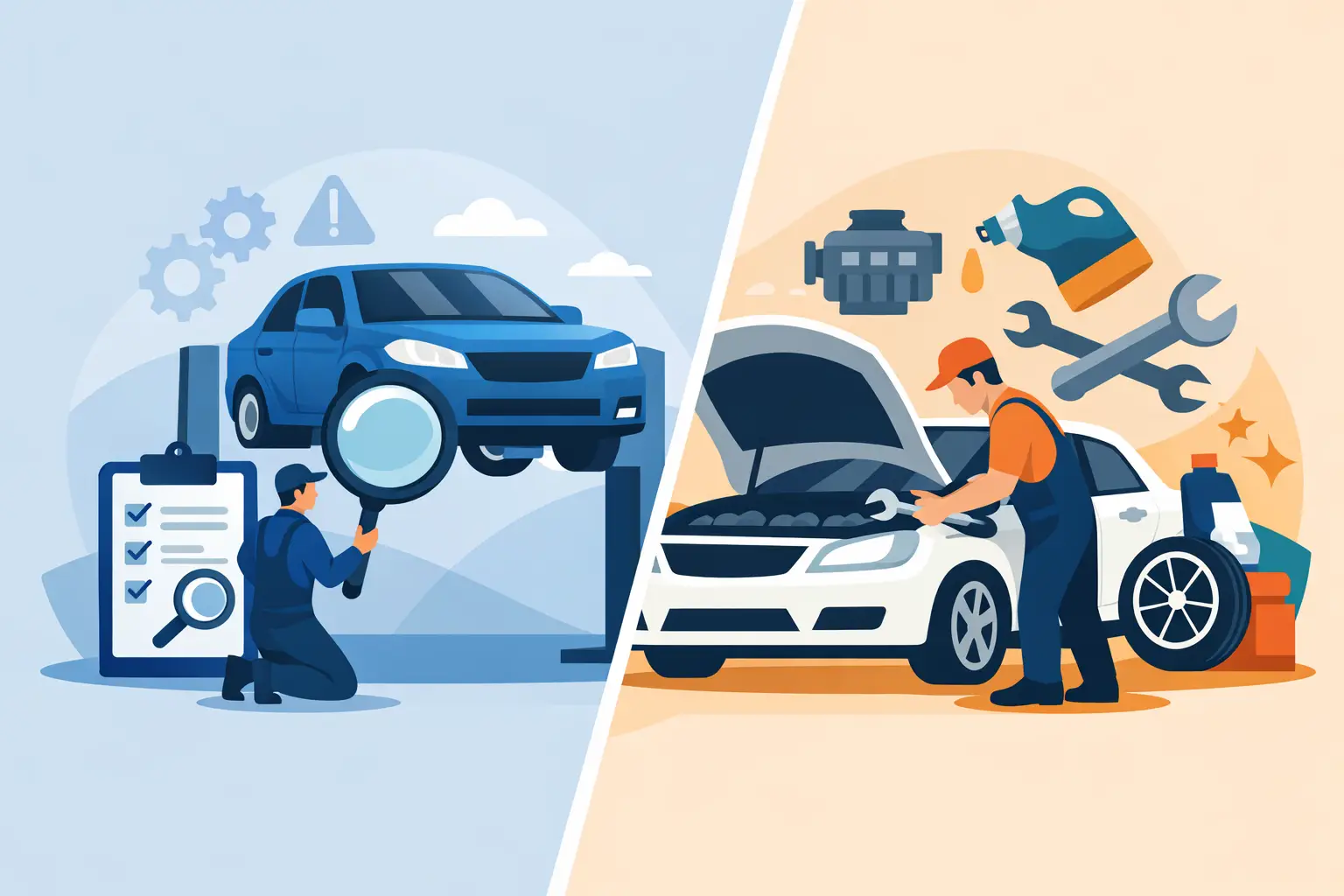
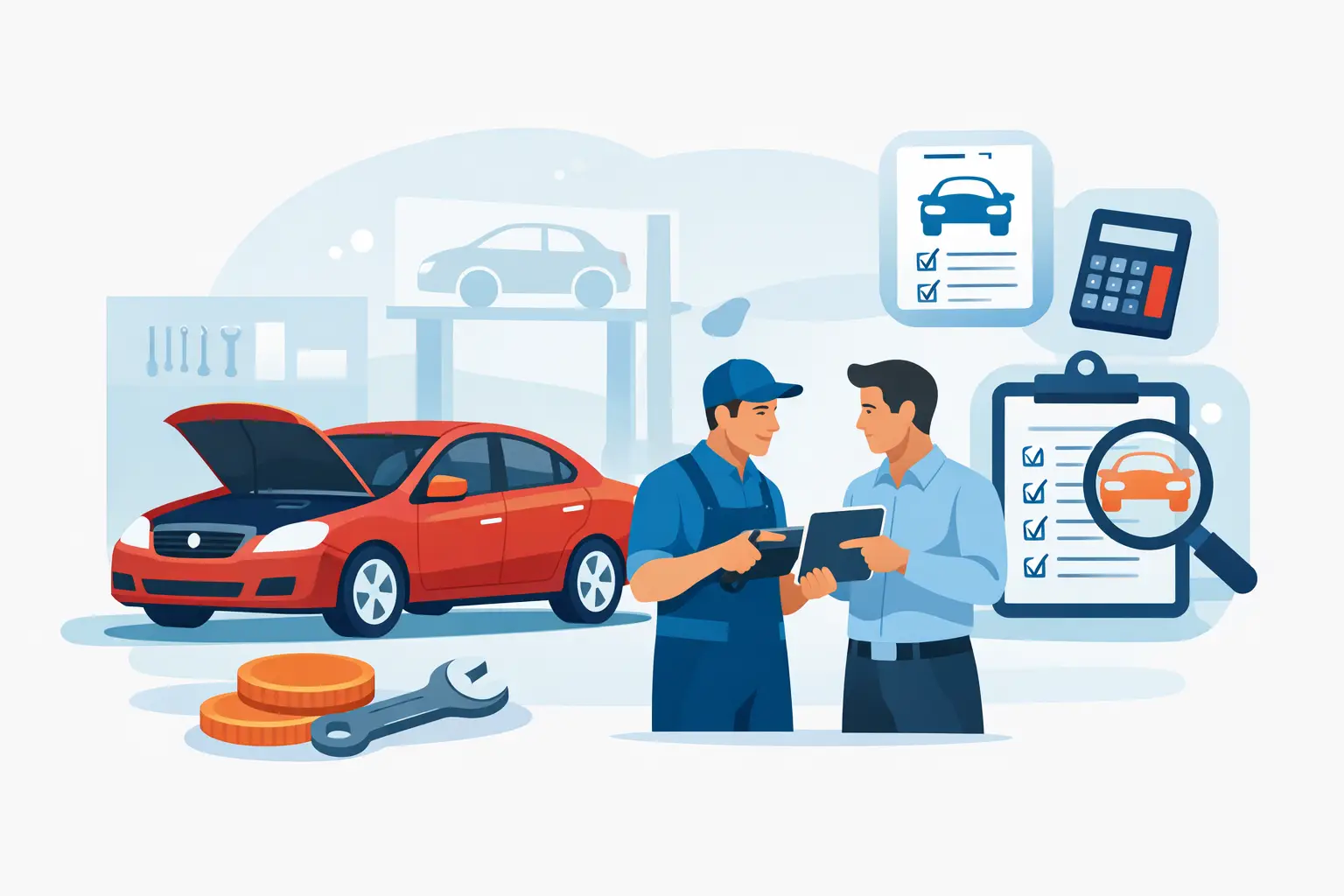
A proper brake check should be more than a quick glance through the wheel. The pads need to be inspected for remaining material, but the discs, calipers, and general braking condition matter too.
The mechanic should check for uneven wear, overheating, disc scoring, seized components, fluid-related concerns, and any sign that one side is not working as it should. If the pads are replaced without addressing a sticking caliper or worn disc, the new parts may not last long.
This is also where experience counts. Some brake noises come from worn pads. Others come from glazed surfaces, debris, poor-quality parts, or hardware issues. Replacing pads without diagnosing the full cause can leave you paying twice.
Front vs rear pads – what is the difference?
Many drivers assume all brake pads wear at the same rate. They do not. In most vehicles, the front pads wear faster because the front brakes do more of the stopping work. That is normal.
Rear pads can still wear out, though, and on some vehicles they wear sooner than expected. Electronic brake force systems, driving style, traffic conditions, and vehicle setup all play a part. That is why it makes sense to inspect all four corners rather than only looking where the noise seems to come from.
If one axle needs pads, the other may still be fine for now. A trustworthy garage will tell you that. Not every car needs front and rear pads at the same time.
Should discs be replaced with the pads?
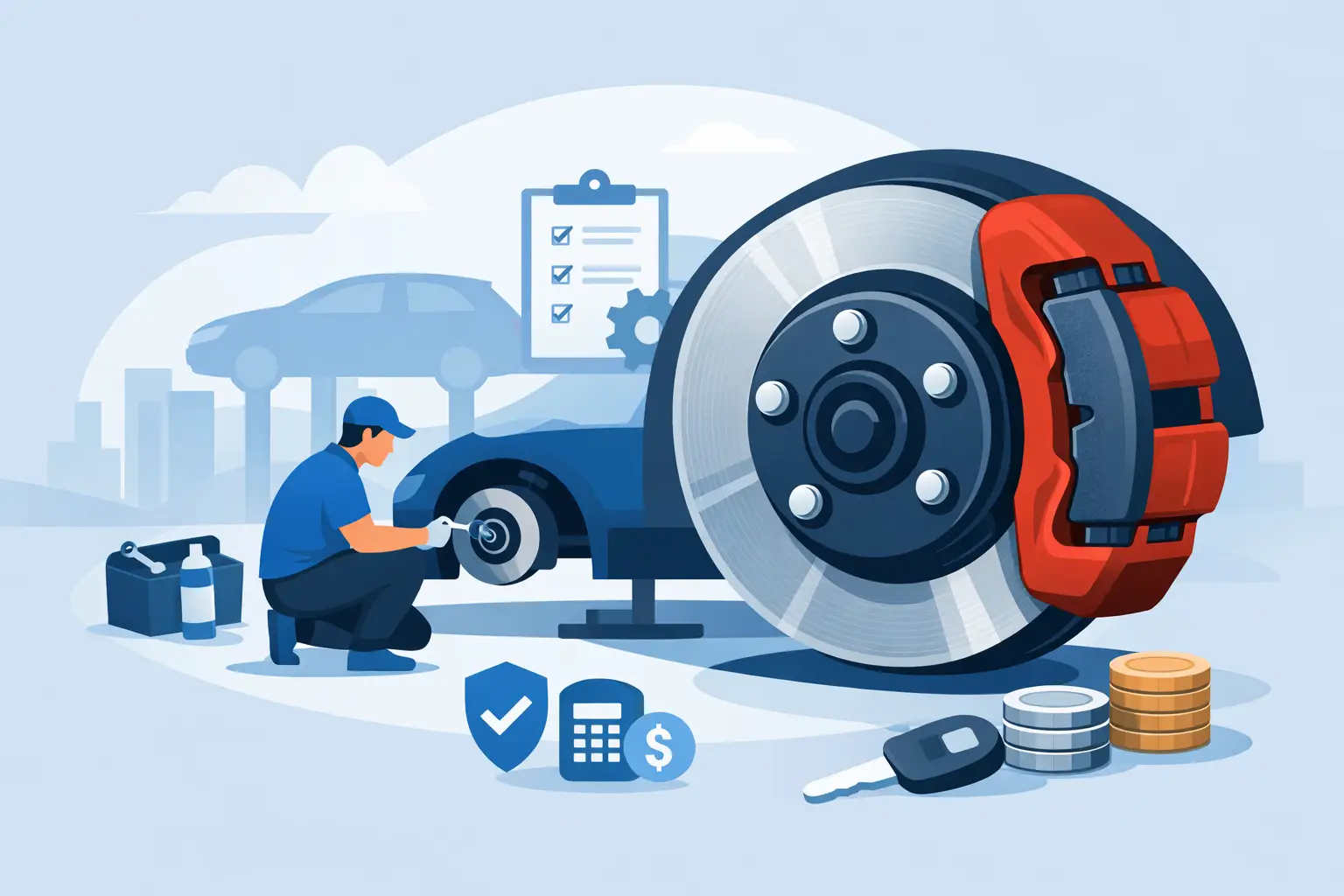
This depends on condition, not just mileage. If the discs are still within specification and wearing evenly, pads alone may be enough. If the discs are heavily lipped, deeply scored, cracked, warped, or too thin, replacing pads only is usually a false economy.
New pads need a good surface to bed into. Fitting them onto damaged discs can reduce braking performance and shorten the life of the new pads. It can also create vibration, noise, and uneven contact.
This is one of those areas where a proper explanation matters. Drivers deserve to know why discs are being recommended, not just be handed a larger bill.
Choosing a garage for brake pad replacement in Croydon
When brakes are involved, quick service is important, but competence is more important. You want a garage that can inspect the problem properly, fit the right parts, and get the job done without unnecessary delay.
Look for clear pricing, experienced mechanics, and the ability to work on all makes and models. Same-day availability can be a real advantage when the car is your daily transport. So can a garage that is honest about whether the repair is urgent or whether you still have some safe life left in the pads.
Euro Auto Tech works with everyday drivers, families, commuters, and business vehicle owners who need practical repairs without inflated pricing. That matters with brakes because people often book only when the issue becomes urgent.
How long can you wait once the pads start making noise?
Not long. A light squeak may give you some warning time, but there is no safe rule that says you can keep driving for another week or another month. By the time grinding starts, delay becomes expensive.
Even before the braking feels dangerous, worn pads can damage discs and increase stopping distances. In wet conditions or emergency braking, that extra margin matters. If you use the car daily, it is better to get it checked straight away than try to judge it by sound alone.
After replacement – what should you expect?
New brake pads usually need a short bedding-in period. During that time, braking can feel slightly different from fully settled brakes. That is normal. Harsh repeated braking right after fitting is not ideal unless an emergency forces it.
You should expect the car to stop smoothly, quietly, and evenly. If there is still noise, vibration, pulling, or a warning light after replacement, it needs checking again. A completed job should fix the problem, not just reduce it.
Keeping your brakes in good condition is one of the simplest ways to protect both your car and everyone in it. If something feels off, trust that instinct and get it looked at before a small brake pad job turns into a bigger repair.
Share This Story, Choose Your Platform!
About the author :

Related Posts