Gearbox Repair Croydon: What to Do Fast
That sudden jolt when the car changes gear, the delay before it moves, or the grinding noise at a roundabout is not something to leave for next week. If you need gearbox repair Croydon drivers can rely on, speed matters. The longer a gearbox fault is left alone, the more likely it is to turn from a manageable repair into a major bill, more downtime, and a vehicle that is no longer safe or dependable for daily driving.
A faulty gearbox rarely fixes itself. In most cases, it gets worse under heat, traffic, and stop-start commuting. For drivers in Croydon, Purley, Thornton Heath, Sutton, Wallington, and across South London, that can mean being stuck in traffic with poor acceleration, slipping gears, or a car that refuses to engage drive properly. The right move is to get it checked early, get a clear diagnosis, and repair only what is actually needed.
Gearbox repair Croydon drivers usually need most
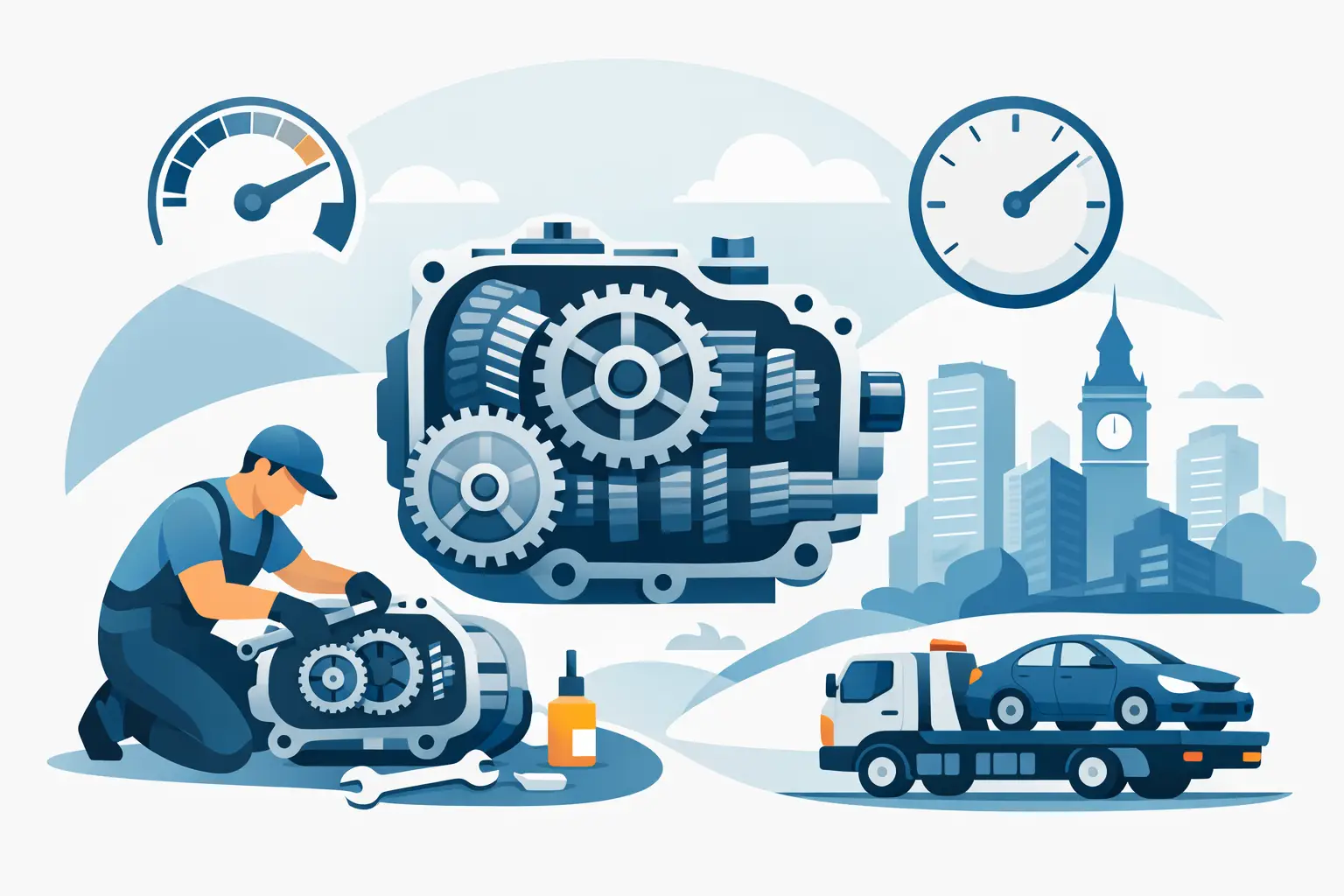
Gearbox problems are not all the same, and that matters when it comes to cost and repair time. Some faults are caused by worn clutch components in a manual car. Others come from low or contaminated transmission fluid, damaged sensors, worn bearings, failing solenoids, or internal gear wear in an automatic gearbox.
This is why a proper inspection is worth more than guesswork. A gearbox that slips between gears might need fluid service and adjustment, but it could also point to internal wear. A noisy manual transmission may be caused by bearings or gear teeth, while poor shifting in an automatic may be linked to valve body issues or electronic faults. The symptom may feel similar from the driver’s seat, but the repair can be very different.
For everyday motorists, the key point is simple. Do not assume the worst, but do not ignore the signs. Fast diagnostics can save money if the issue is caught before damaged parts affect the rest of the transmission.
Common signs your gearbox needs attention
Most gearbox faults give warnings before total failure. Some are subtle at first. Others show up suddenly, especially if the car has already been driving with underlying wear.
If your car struggles to go into gear, jumps out of gear, hesitates before moving, makes grinding or whining noises, leaks transmission fluid, or feels like it is revving without proper power delivery, it needs checking. In an automatic, harsh shifting, delayed engagement, or a transmission warning light should never be brushed off. In a manual, clutch drag, difficulty selecting gears, and crunching during shifts can point to gearbox or clutch-related trouble.
There is also the issue of vibration. Drivers often assume vibration must be tires, suspension, or wheel alignment. Sometimes that is true. But under load, vibration can also be tied to drivetrain problems, including gearbox wear or failing mounts affecting how the transmission behaves.
The trade-off is that some symptoms overlap with clutch, engine, or driveshaft issues. That is exactly why proper diagnosis matters. Replacing the wrong part wastes time and money.
What causes gearbox failure?
Wear and tear is the obvious answer, but it is not the only one. Low transmission fluid is a major cause of damage, especially in automatic gearboxes. When fluid drops or degrades, the gearbox loses lubrication and cooling. Heat builds up, internal components wear faster, and shifting gets rougher.
Poor driving conditions also play a part. Heavy traffic, frequent short trips, towing, aggressive acceleration, and missed servicing all add stress. In Croydon and wider London traffic, constant stop-start driving can be particularly hard on transmissions.
Then there is simple age. On higher-mileage vehicles, seals harden, bearings wear, synchronizers weaken, and electronic components can start to fail. That does not always mean the vehicle is not worth repairing. It means the repair should be based on the condition of the car as a whole, the value of the vehicle, and how long you plan to keep it.
Repair, rebuild, or replace?
This is the question most drivers ask, and the honest answer is it depends on the fault. Not every gearbox issue needs a full replacement. In many cases, targeted gearbox repairs are enough. That might mean replacing seals, bearings, sensors, solenoids, mounts, or other worn components while keeping the rest of the unit intact.
A rebuild makes sense when internal damage is more extensive but the gearbox housing and key components are still worth saving. During a rebuild, worn parts are replaced, clearances are checked, and the transmission is restored to proper working condition. It is more involved than a basic repair, but often more cost-effective than fitting a completely different unit.
Replacement can be the right option when the gearbox is badly damaged, the internal wear is widespread, or the cost of rebuilding is too close to the cost of another tested unit. Even then, the right choice depends on part availability, labor time, and the overall condition of the vehicle.
A good garage will not push the most expensive route by default. It should explain what has failed, what can be repaired, and what gives you the best value.
How a proper gearbox diagnosis should work
A gearbox problem should never be diagnosed on noise alone. The right process starts with the customer’s description of the symptoms, followed by a road test if safe to do so. After that, the vehicle should be inspected for leaks, fluid condition, warning codes, clutch operation where relevant, and signs of related drivetrain issues.
On modern vehicles, electronic diagnostics are often part of the job. Gear shifting problems may involve sensors, control modules, or actuator faults rather than purely mechanical failure. On hybrids and newer vehicles especially, experience with modern systems matters.
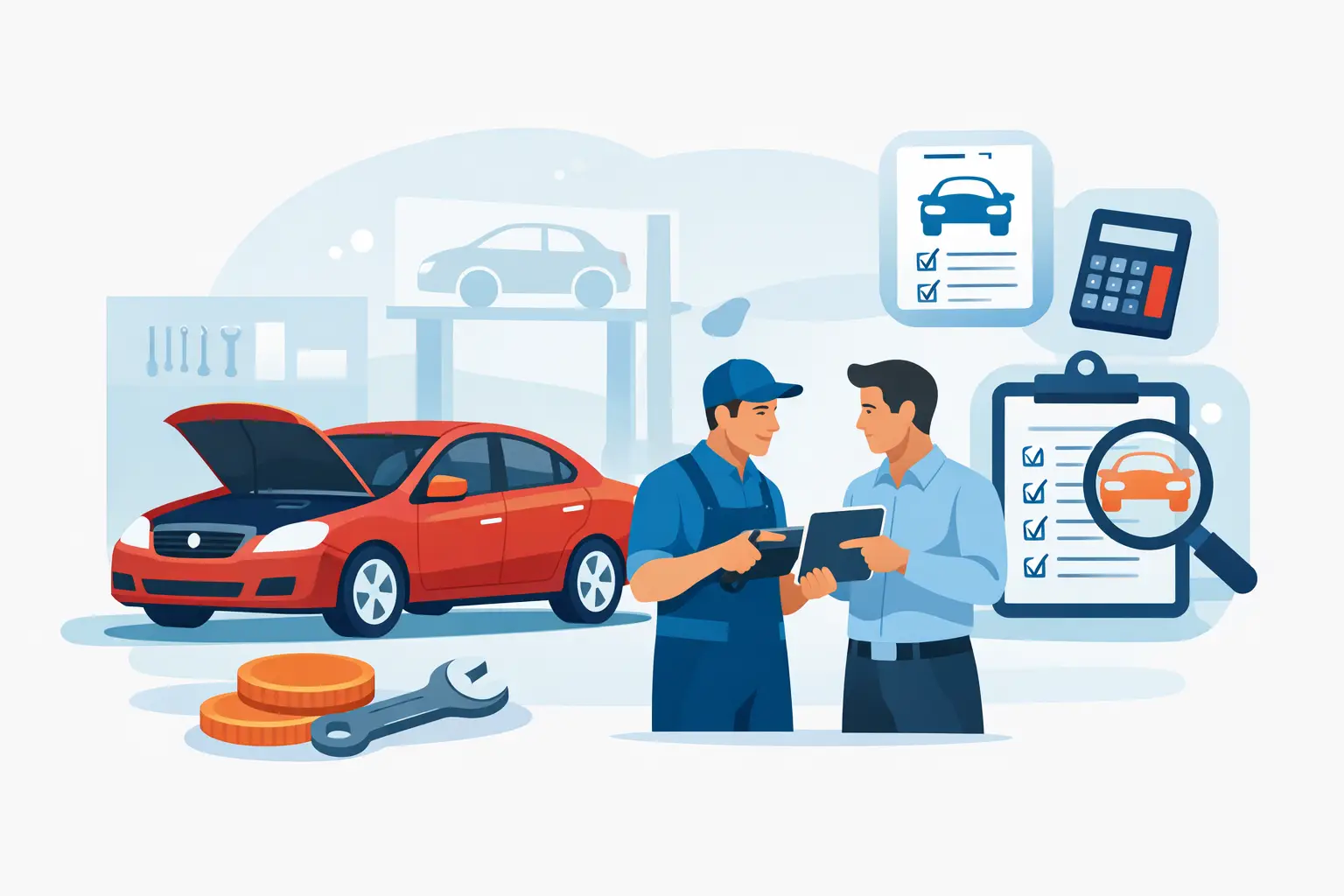
This is where a practical garage approach makes a real difference. You want an answer based on evidence, not assumptions. A free diagnostic check can be useful as a first step, especially if the fault has only recently appeared and you need to know whether the car is still safe to drive.
Cost matters, but so does timing
Drivers usually want two things straight away – the price and how long the car will be off the road. That is fair. Gearbox work can range from minor repairs to major transmission jobs, so costs vary a lot. A fluid-related issue or sensor fault is obviously very different from internal damage.
What usually increases the bill is delay. Driving with slipping gears, overheating fluid, or repeated grinding can damage more components over time. What could have been a smaller job becomes a rebuild or replacement. Acting early gives you more options and a better chance of keeping repair costs under control.
Timing also matters for convenience. If your car is your commuter vehicle or used for family trips, school runs, or business calls, losing it for days creates another problem. Same-day availability for inspection or fast booking matters because it gets the issue identified before your week falls apart.
Choosing the right garage for gearbox repair Croydon
Not every garage handles gearbox faults with the same level of confidence. Some will avoid transmission work beyond the basics. Others will jump too quickly to replacement without checking whether a more cost-effective repair is possible.
For gearbox repair Croydon drivers should look for a garage that works on all makes and models, has strong diagnostic capability, and can explain the fault clearly. You also want fair pricing, realistic turnaround times, and a team that understands both traditional mechanical systems and the electronics found in newer vehicles.
That is especially important if the vehicle has multiple issues at once. Sometimes a gearbox complaint sits alongside clutch wear, engine warning lights, suspension wear, or alignment problems. A full-service garage can look at the car properly rather than treating one symptom in isolation.
At Euro Auto Tech, that practical approach is exactly what many local drivers want – experienced mechanics, straightforward advice, quick diagnostics, and repairs focused on getting the car safely back on the road without wasting money.
When not to keep driving
Some gearbox faults allow you to drive carefully to a garage. Others do not. If the car will not engage gear properly, loses drive, makes severe grinding sounds, leaks heavily, or feels unsafe in traffic, stop using it. Pushing on can cause major internal damage and create a safety risk for you and other road users.
If the issue starts small, do not wait for complete failure. Gearboxes usually give drivers a window to act. The mistake is assuming that because the car still moves, the problem can wait. Often, that is when the cheapest fix is still possible.
A gearbox problem is stressful because it affects the core of how your car drives. But it does not need to become a bigger problem than it already is. Get it checked early, get a clear answer, and deal with the fault before wear turns into a full breakdown.
Share This Story, Choose Your Platform!
About the author :

Related Posts