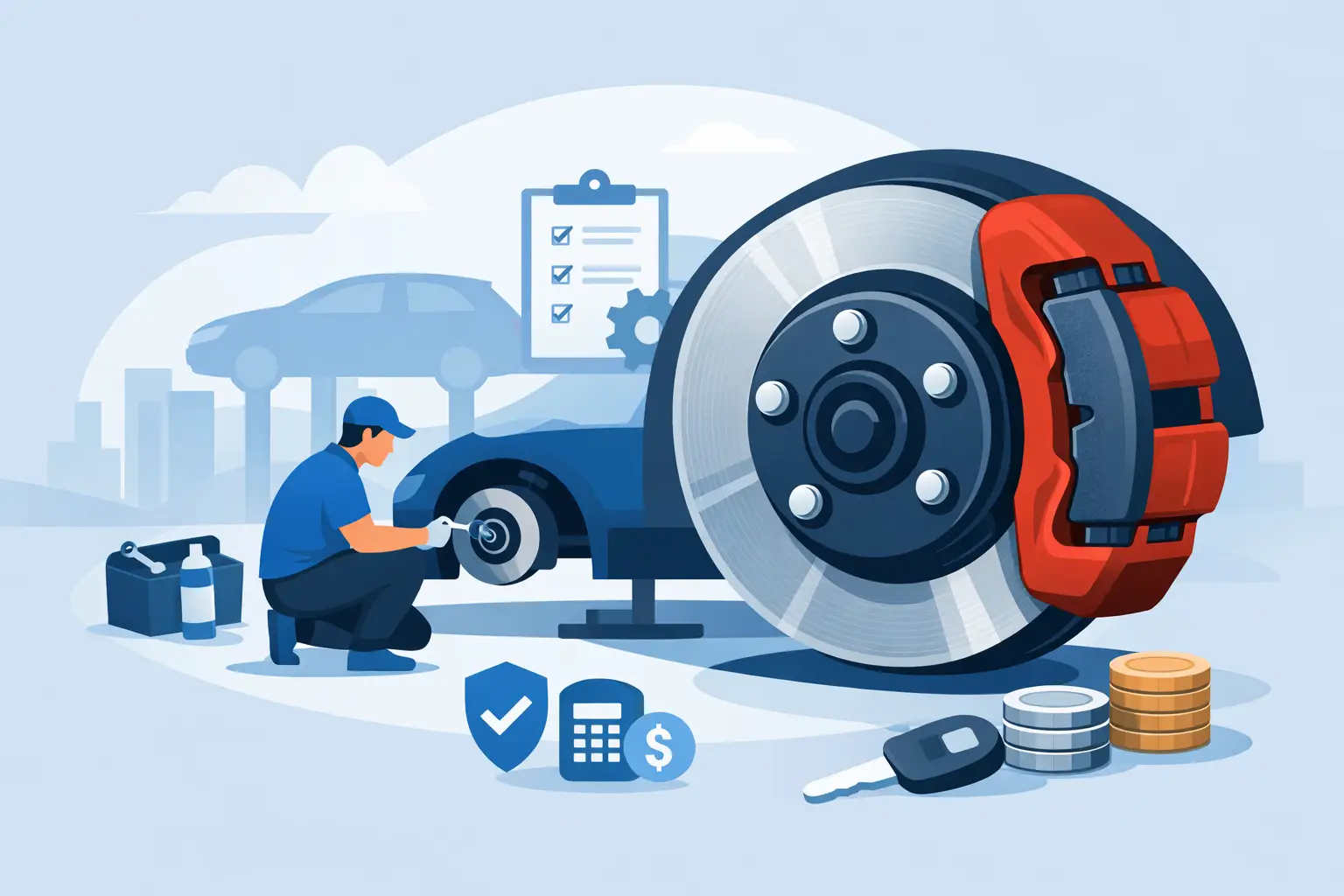
Brake Repair Cost: What Drivers Should Expect
That squealing sound usually starts small, then gets expensive fast. Brake repair cost can be fairly manageable when the issue is caught early, but once worn pads damage rotors, calipers, or brake lines, the bill climbs. For most drivers, the real question is not just what brakes cost to fix, but what you are actually paying for and whether the repair is urgent.
What affects brake repair cost?
Brake work is one of those repairs where the price can vary a lot from one car to the next. A compact daily driver with standard front pads will usually cost much less than a European SUV with larger rotors, electronic wear sensors, and more labor involved.
The biggest factor is the part that has failed or worn out. Replacing brake pads is usually the lower end of the range because pads are designed to wear. Rotors cost more because they are larger, heavier components, and on some vehicles they are more expensive due to size, material, or brand-specific parts. Calipers, brake hoses, master cylinders, ABS-related issues, and brake fluid leaks can push the job into a much higher bracket.
Labor matters too. Some vehicles are straightforward and quick to work on. Others require more disassembly, special tools, or extra time to reset electronic systems. That is why two cars with similar symptoms can get very different quotes.
Typical brake repair cost by job type
If your brake pads are worn but the rotors are still usable, the repair is usually more affordable. Pad replacement is often the first brake service most drivers need, especially on commuter vehicles that spend a lot of time in stop-and-go traffic.
Once rotors are scored, warped, or worn below specification, they usually need replacement along with the pads. This is a common point where people are surprised by the estimate, but it is standard practice on many modern cars. Fitting new pads onto damaged rotors often leads to poor braking, noise, vibration, and uneven wear.
Caliper replacement costs more because the part is more complex and the job often includes extra labor and brake fluid bleeding. If a caliper is sticking, pulling the car to one side, overheating a wheel, or wearing one pad much faster than the other, it should be checked quickly.
Brake fluid service is another cost that some drivers put off, but old or contaminated fluid can affect braking feel and contribute to internal corrosion. It is not the most expensive brake job, but it can help prevent more expensive repairs later.
If there is a leak in the brake line, master cylinder, or ABS system, the repair can become urgent and more costly. In those cases, the issue is no longer basic wear and tear. It is a safety problem that needs proper diagnosis before anyone can quote it accurately.
Why some brake jobs cost more than expected
The cheapest quote is not always the best value. A low price may only cover pads, while the car actually needs pads, rotors, fitting hardware, fluid top-up, and a road test. That is how drivers end up comparing numbers that are not based on the same work.
Parts quality is another reason prices vary. Budget pads may save money upfront, but they can be noisier, create more dust, and wear faster. Better-quality parts usually cost more, but they often deliver better stopping performance and longer service life. For a family car or a vehicle used every day, that matters.
There is also the question of what caused the wear. If brake pads wore out evenly over time, that is normal maintenance. If one side is worn down faster than the other, or if the inner pad is gone while the outer one still looks decent, there may be a caliper or slide pin issue behind it. In that case, replacing pads alone may not solve the problem.
Brake repair cost and driving habits
How you drive has a direct effect on brake life. A car used mostly for highway miles will usually get more life from pads and rotors than one driven through city traffic every day. Short trips, heavy braking, steep hills, and carrying extra weight all increase wear.
That is one reason there is no single brake repair cost that applies to everyone. Two drivers with the same model can get very different brake bills based on how and where they use the vehicle. Commuters in heavy traffic and delivery drivers often need brake service sooner than occasional weekend drivers.
Weather and road conditions play a part too. Water, road salt, and long periods without driving can lead to corrosion, especially on rotors and caliper components. Sometimes the car has low mileage but still needs brake work because age and environment have done the damage.
Signs you should not ignore
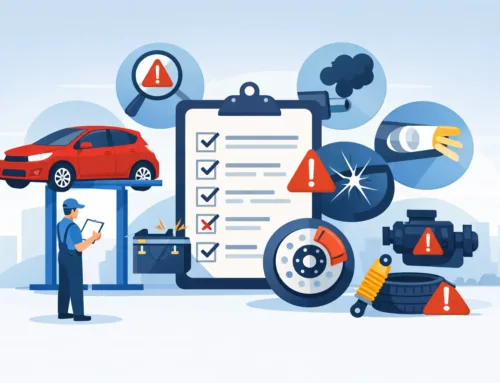
Some brake problems announce themselves early. Others wait until the repair becomes more expensive. If you hear squealing, grinding, or scraping, it is time to get the brakes checked. The same goes for vibration when braking, a soft pedal, the car pulling to one side, or a brake warning light on the dash.
Grinding is one of the more costly warning signs because it often means the pads are worn down to the metal backing. At that point, the rotor surface is usually being damaged too. What might have started as a pad replacement can turn into a rotor replacement, and sometimes caliper damage follows.
A soft or sinking brake pedal is different. That can point to air in the system, fluid loss, or a hydraulic fault. It is less about noise and more about safety. If braking feels weak or inconsistent, the car should be inspected as soon as possible.
How to keep brake repair cost under control
The simplest way to save money on brakes is to deal with wear early. Replacing pads before they wear through completely is much cheaper than waiting until the rotors are scored and the braking performance drops. Routine service inspections help because brake wear can be measured before it turns into a larger repair.
It also helps to ask what is included in the estimate. A proper brake quote should be clear about whether it covers pads only, pads and rotors, hardware, brake fluid, sensor replacement, and labor. If the estimate is vague, the final invoice may not be.
Drivers should also be realistic about timing. If a garage says the brakes are safe for now but will need attention soon, that is your chance to plan the job before it becomes urgent. Waiting until metal-on-metal noise starts usually removes your cheaper options.
Front brakes vs rear brakes
Front brakes usually wear faster because they handle more of the stopping force. That means front brake repair cost is often the one drivers face first. Rear brakes can still wear out, but many vehicles go through front pads more frequently.
That said, rear brake jobs are not always cheaper. Some rear systems include integrated parking brake mechanisms or electronic parking brake motors, which can add labor and complexity. On newer vehicles, rear brake service may need scan tool functions or reset procedures, and that can affect the final price.
Getting a fair quote for brake repair cost
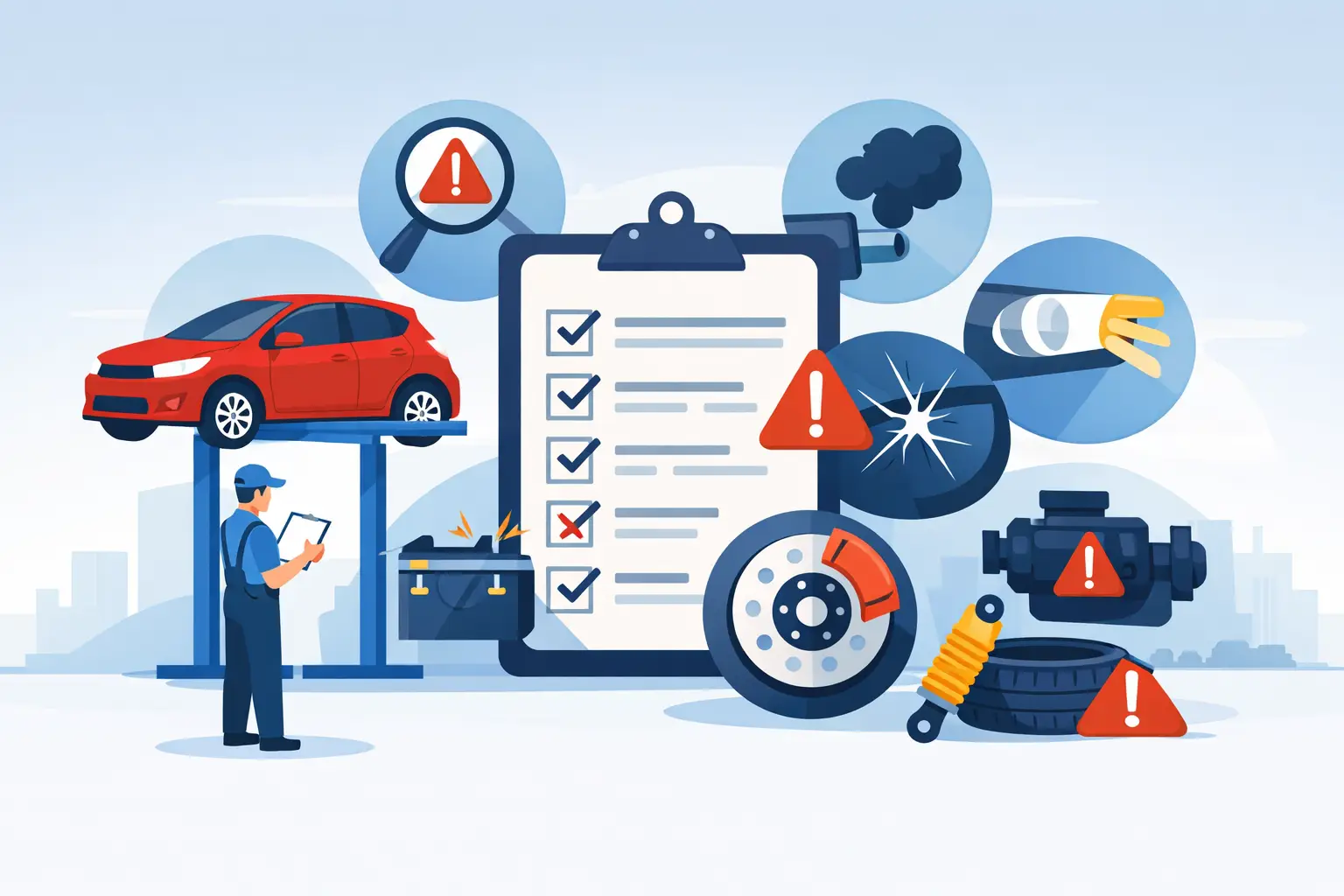
A fair quote starts with a proper inspection. Good shops do not guess. They check pad thickness, rotor condition, caliper operation, brake fluid level, line condition, and any warning lights or symptoms you have noticed. That is the only way to price the job honestly.
If you are comparing estimates, make sure the work listed is actually the same. Ask whether the price includes quality parts, whether rotors are being replaced or just resurfaced if applicable, and whether the system will be road-tested after repair. Clear answers usually tell you a lot about the shop.
At Euro Auto Tech, the focus is simple: diagnose the problem quickly, explain the repair clearly, and keep the car safe without wasting your time or money. That is what most drivers want when the brakes start making noise and the vehicle still has to get them to work the next morning.
Brake problems rarely get cheaper by waiting. If something feels off, get it checked while the repair is still straightforward, and you will usually have more control over the cost and less risk on the road.
Share This Story, Choose Your Platform!
About the author :

Related Posts