8 Common Reasons for MOT Failure
That warning light you meant to look into, the tire that felt a bit low, the brake noise that only happens some mornings – these are exactly the kinds of things that turn up on test day. The most common reasons MOT failure happens are usually not dramatic breakdowns. They are everyday wear-and-tear problems that build up quietly until your vehicle is flagged as unsafe or non-compliant.
For most drivers, an MOT fail is not just annoying. It can mean lost time, unexpected repair costs, and the hassle of arranging a retest. The good news is that many failures are preventable if you know what inspectors are looking for and deal with small faults early.
Common reasons MOT failure happens
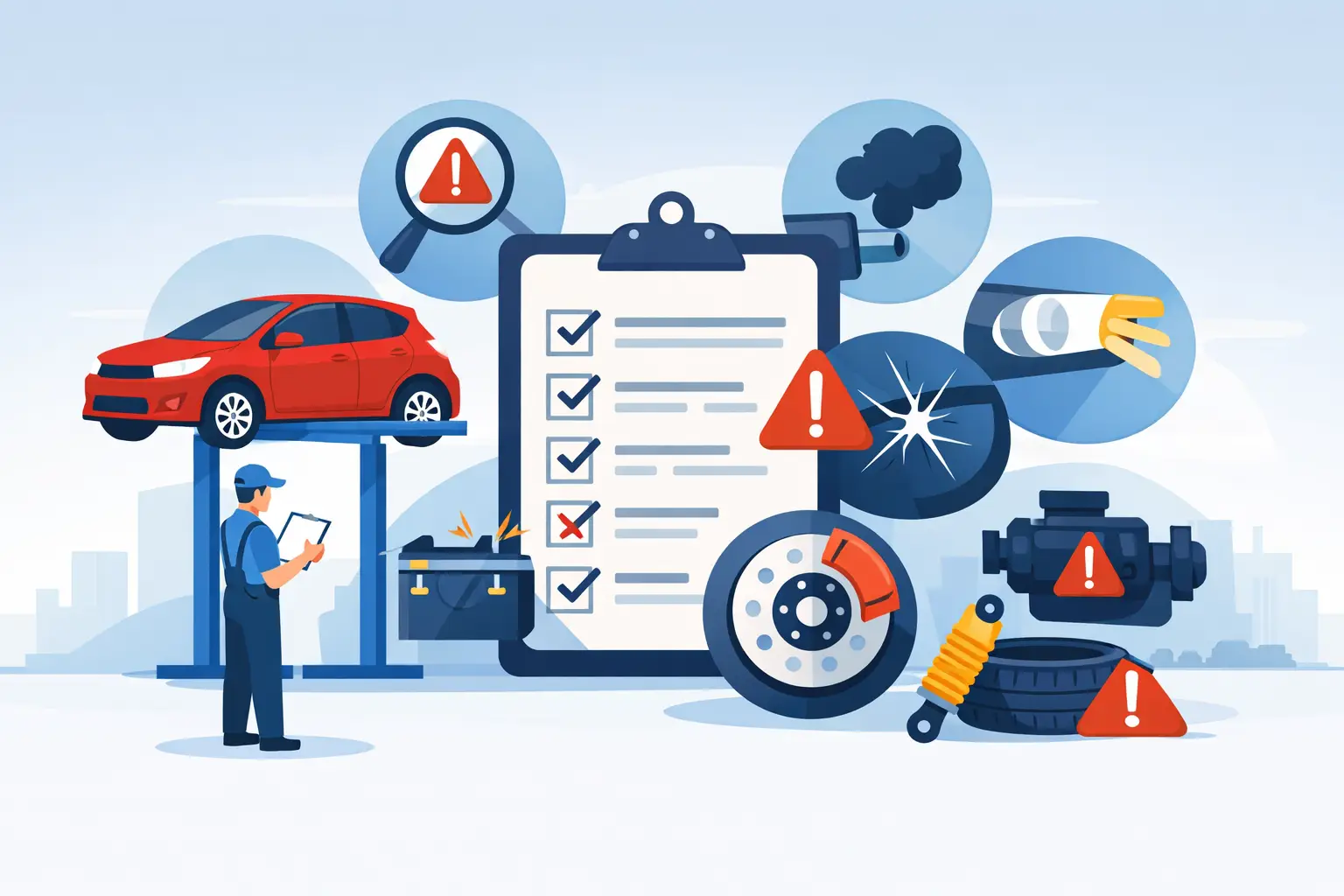
Most MOT failures come down to a short list of problem areas. Lighting, tires, brakes, suspension, visibility, and emissions are some of the biggest ones. None of these should be ignored because they affect safety first and paperwork second.
A lot of drivers assume the engine has to be in bad shape to fail. In reality, a car can drive perfectly well and still fail because of something as simple as a blown bulb, worn wiper blade, or cracked registration plate. That is why a quick pre-check before the test can save money.
Lights and electrical faults
Lighting issues are among the most common reasons for MOT failure because they are easy to miss in daily driving. You might not notice a brake light is out, a turn signal flashes too quickly, or a headlight aim is off until someone points it out.
The tester will check headlights, brake lights, tail lights, turn signals, reverse lights, hazard lights, and the registration plate light. If any required light is not working properly, damaged, or showing the wrong color, it can lead to a fail. Headlight alignment also matters. A working bulb can still be a problem if it points too high or too low.
Electrical warning lights on the dashboard can also create trouble, especially if they point to a safety system fault. If an ABS light or airbag light stays on, that is a red flag that should be checked before the appointment.
Tire condition and tread depth
Tires take a lot of abuse, especially on busy roads, potholes, and stop-start city driving. Low tread depth is a very common fail point, but it is not the only one. Uneven wear, cuts, bulges, sidewall damage, and incorrect tire sizes can all cause problems.
Legal minimum tread depth matters, but so does the overall condition of the tire. A tire may technically have enough tread in one area and still be unsafe because the edges are badly worn. That often points to wheel alignment or suspension trouble as well.
If your steering feels slightly off-center or the car pulls to one side, do not ignore it. That kind of issue can wear tires out faster and create a second problem by the time the MOT comes around.
Brakes that are worn or imbalanced
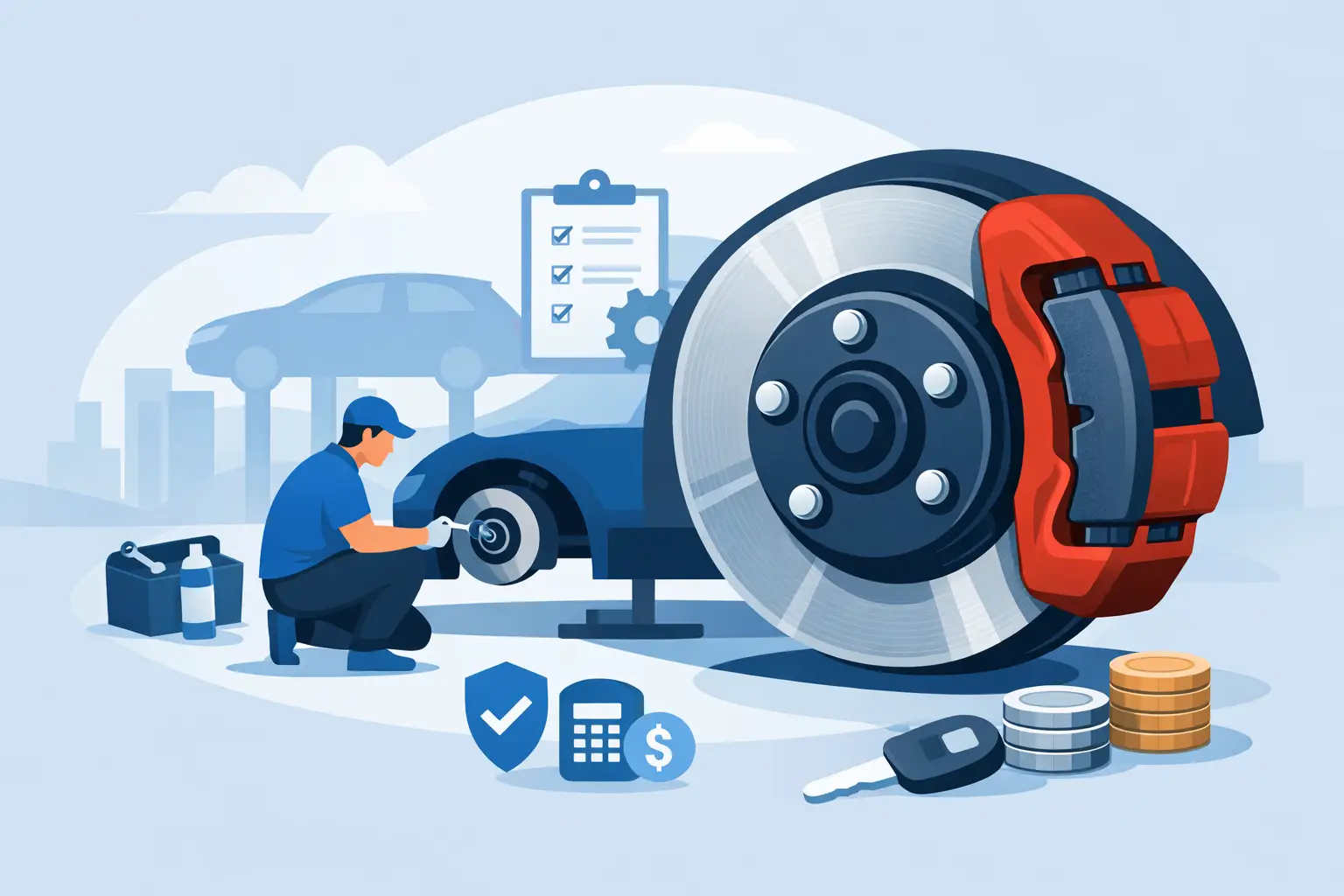
Brake faults are serious and commonly picked up during testing. Worn brake pads, damaged discs, leaking brake components, and weak handbrake performance all show up quickly in an inspection.
Sometimes the car still stops, so the driver assumes everything is fine. But braking efficiency, response, and balance across the axle all matter. If one side is braking harder than the other, or the handbrake is not holding properly, the vehicle may fail.
Noise is often the early warning. Squealing, grinding, or a soft brake pedal should never be left until the last minute. Brake issues usually get more expensive the longer they are ignored.
Why suspension and steering are common MOT failure points
Suspension and steering components wear gradually, which is why drivers often adapt without realizing it. If the ride feels a bit rougher than it used to, or the car knocks over bumps, there is a fair chance something underneath is loose or worn.
Shock absorbers, springs, ball joints, bushings, and steering linkages are all checked. A broken spring, leaking shock, or excessive play in the steering system can easily lead to a fail. These are not small issues. They affect handling, braking, tire wear, and overall control.
This is one of those areas where it depends on how quickly you act. Catching a worn suspension part early is usually straightforward. Leaving it too long can lead to extra wear on tires and other components, which means a bigger repair bill.
Visibility problems drivers often overlook
Visibility failures are more common than people expect because the issues feel minor until they are tested properly. Cracked windshields, damaged mirrors, worn wiper blades, and low washer fluid can all matter.
The windshield does not have to be completely shattered to be a problem. If damage sits in a critical area of the driver’s view, it may fail. Wipers that smear instead of clear the glass are another frequent issue, especially after hot summers or freezing weather.
Even washer jets count. If they are blocked or not working correctly, that can affect the result. This is exactly the kind of simple item worth checking at home before the test.
Emissions and exhaust issues
Modern vehicles are far more sensitive to emissions faults than many drivers realize. If the check engine light is on, the car is smoking more than usual, or fuel economy has dropped, the MOT may pick up an emissions-related problem.
Common causes include faulty oxygen sensors, catalytic converter issues, exhaust leaks, and engine management faults. Diesel vehicles may also have problems linked to soot buildup or filter performance. Sometimes a car only needs a proper diagnosis and repair of one component. In other cases, repeated short trips and missed maintenance have caused a larger buildup of issues.
Exhaust condition matters too. A damaged, leaking, or insecure exhaust can lead to failure. If the car sounds noticeably louder than usual, that is worth getting checked before the appointment.
Other common reasons for MOT failure
A few more items regularly catch drivers out because they seem minor until inspection day. Registration plates must be readable and in proper condition. Seats and seatbelts must be secure and working correctly. The horn must function. Doors need to open and close properly. Even basic things like fluid leaks can lead to concerns if they are serious enough.
Corrosion is another one to watch, especially on older vehicles. Surface rust is not always a fail, but corrosion near structural or safety-related areas can be. That is why underbody checks matter, particularly if the car has seen years of wet roads and winter grime.
How to reduce the risk of an MOT fail
The best approach is simple: do not treat the MOT as the first time the car gets looked at all year. A basic check a week or two beforehand can make a real difference.
Check all exterior lights. Look at the tires closely, not just quickly. Test the horn, washers, and wipers. Make sure the registration plates are clean and readable. Pay attention to warning lights on the dashboard. If the car is pulling, knocking, rattling, or braking differently, book an inspection before the MOT rather than hoping it passes.
Servicing helps here too. A well-maintained car is less likely to fail because routine maintenance usually catches wear before it becomes test-worthy. That is especially true for brakes, suspension, and emissions faults.
If you use your car for commuting, school runs, deliveries, or daily errands, waiting until something gets worse is rarely the cheaper option. A quick check can save the cost and disruption of a failed test, repairs, and a retest appointment.
For drivers who need a fast turnaround, getting faults identified early is what keeps the process smooth. At Euro Auto Tech, that practical approach matters because most customers do not want technical jargon – they want a clear answer, fair pricing, and their vehicle back on the road without delays.
A failed MOT does not always mean major repairs are coming. More often, it means the car has been giving small warnings for a while and now they cannot be ignored. Catch those signs early, and the test becomes far less stressful.
Share This Story, Choose Your Platform!
About the author :

Related Posts