MOT vs Full Service: What Do You Need?
If your renewal date is coming up and your car feels mostly fine, the MOT vs full service question usually comes down to one thing – do you just need the legal check, or do you want the car properly looked after before a small issue turns into a bigger bill?
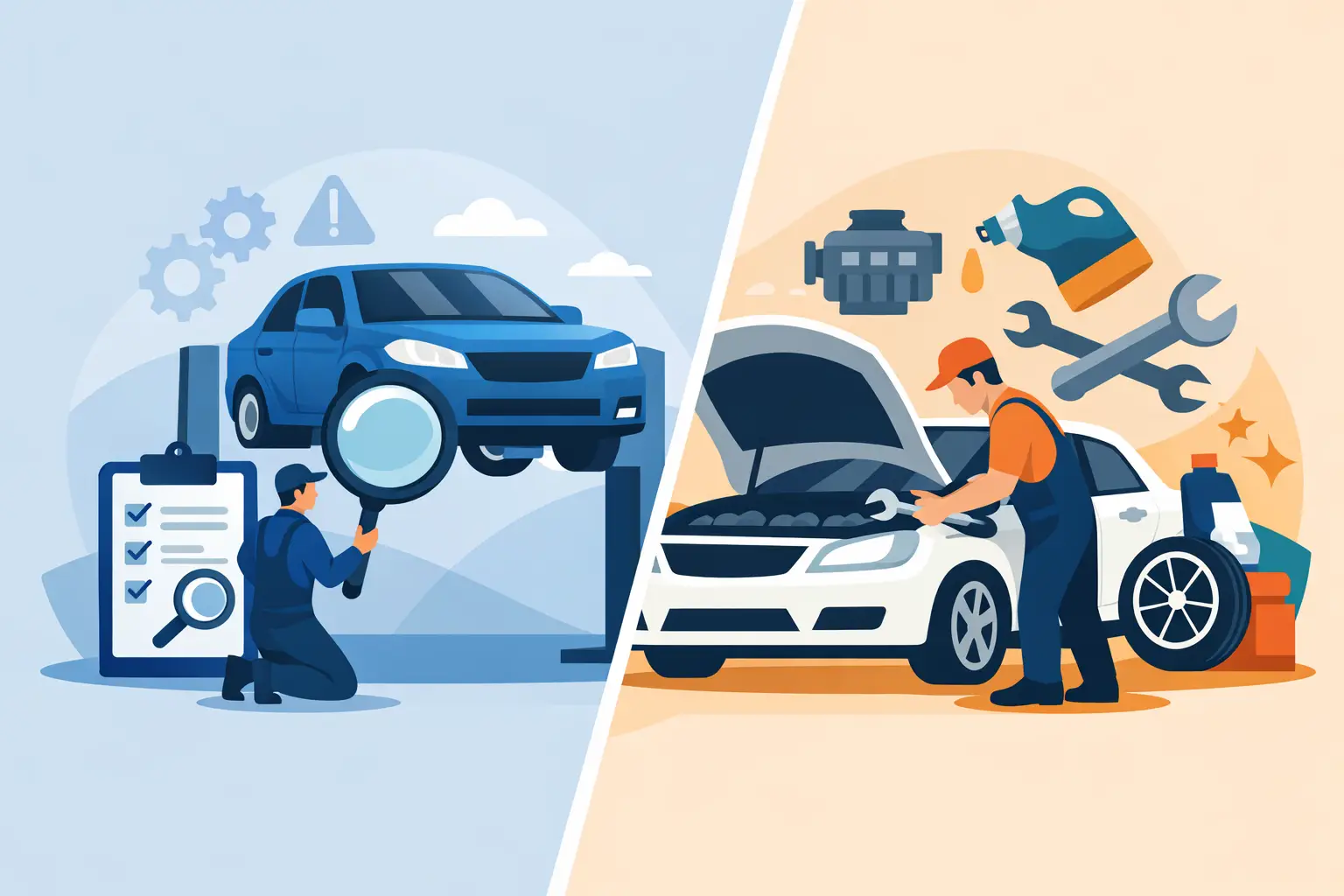
A lot of drivers treat them as the same job. They are not. An MOT is a required inspection that checks whether your vehicle meets road safety and environmental standards. A full service is maintenance. It is designed to keep the car running well, reduce wear, and spot problems early.
That difference matters because a car can pass an MOT and still need attention. It can also fail an MOT for something that might have been picked up earlier during servicing. If you use your car for commuting, school runs, deliveries, or daily work around South London, knowing which one to book can save time, money, and hassle.
MOT vs full service: the basic difference
An MOT is a test. A full service is preventative maintenance.
The MOT focuses on whether the vehicle meets minimum legal standards at the time of testing. It checks key areas such as lights, brakes, tires, suspension, steering, emissions, and general roadworthiness. It is not a health check on every working part of the car, and it does not replace regular maintenance.
A full service goes further. It typically includes inspections, fluid checks, filter and oil replacement, and a closer look at wear-and-tear items. The aim is to keep the engine, braking system, and other major components in good condition, not just to confirm whether the car is legal to drive that day.
So if you are asking which is more important, the honest answer is that they do different jobs. One keeps you compliant. The other helps keep the vehicle dependable.
What an MOT actually checks
Many drivers expect an MOT to reveal every issue on the vehicle. That is where confusion starts.
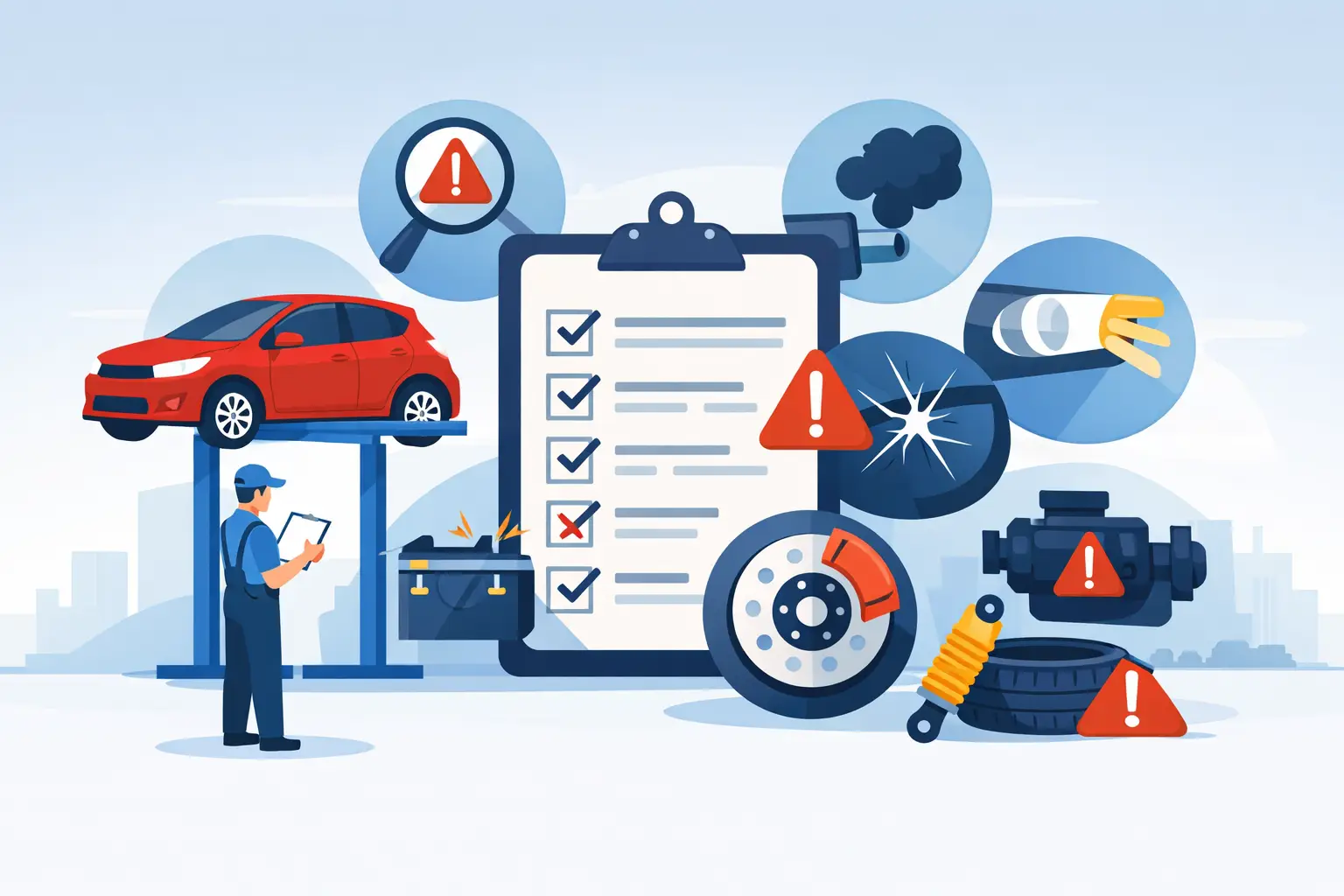
An MOT checks whether certain components meet the required standard. The tester looks at the condition and function of major safety and emissions-related items. That can include brake performance, tire condition, seatbelts, windshield wipers, mirrors, registration plates, lights, exhaust emissions, and structural areas that affect safety.
It does not mean the garage is stripping the car down or servicing the engine. It does not usually include replacing consumables, changing oil, swapping filters, or carrying out maintenance work unless that is booked separately.
That is why a vehicle can pass an MOT but still have old engine oil, a clogged air filter, worn spark plugs, low-quality brake fluid, or early signs of battery weakness. Those issues may not trigger a failure, but they can still affect performance, fuel economy, and long-term reliability.
What a full service usually includes
A full service is more hands-on. Exact items can vary slightly between garages and vehicle types, but the purpose is the same – maintain the car properly and catch wear before it becomes a breakdown or expensive repair.
A typical full service includes an oil and oil filter change, top-ups or checks of important fluids, inspection of brakes, tires, steering, suspension, battery, belts, hoses, and other key components. Air filters and cabin filters are often checked and replaced if needed. The technician may also inspect spark plugs on applicable vehicles and look for warning signs such as leaks, uneven tire wear, or parts nearing the end of their usable life.
This is why a full service often gives you more practical value over time. It looks beyond the pass-or-fail standard and focuses on how the car is actually operating.
Do you need an MOT, a full service, or both?
It depends on the age of the vehicle, your mileage, and how you use it.
If your car is due its annual MOT, that test is not optional. You need it to stay legal on the road. But if the car has not been serviced in line with the manufacturer schedule, booking only the MOT can be short-sighted. You might pass the test and still drive away with maintenance overdue.
If your vehicle is newer, runs smoothly, and has recently been serviced, you may only need the MOT when the time comes. On the other hand, if you have noticed slower starting, reduced fuel economy, brake noise, dashboard warnings, or poor handling, a full service makes sense even if the MOT is still months away.
For many drivers, booking both together is the most practical option. It saves an extra trip, gives a clearer picture of the car’s condition, and can help flag issues before they cause an MOT failure or roadside problem.
Why an MOT pass does not mean your car is in great shape
This is probably the biggest misunderstanding drivers have.
An MOT pass means the vehicle met the legal minimum standard at the time of inspection. That is all. It does not mean every mechanical part is in excellent condition. It does not mean future failures are unlikely. It does not mean the car has been maintained properly.
Think about engine oil as an example. Oil that has gone too long without changing may not cause an MOT failure, but it can increase engine wear. The same goes for filters, spark plugs, and several service items that affect how the car runs every day.
So if your main goal is reliability, not just legality, a full service is the better answer.
When booking both together makes the most sense
For high-mileage drivers, busy families, and anyone who relies on their vehicle for work, combining the two is often the smart move.
If the MOT identifies worn brakes, tired suspension components, or tire issues, you already have the vehicle in the garage and can deal with it quickly. If the service picks up early signs of wear before the test, you may avoid a failure altogether. That means less downtime and fewer return visits.
This is especially useful if your schedule is tight and you cannot afford to be without the car for long. A garage that can inspect, service, test, and repair in one visit saves a lot of stress.
MOT vs full service on cost
If you are deciding based on price alone, the MOT will usually cost less upfront. But that does not always make it the cheaper decision overall.
A full service costs more because it involves maintenance work, replacement parts such as oil and filters, and a broader inspection. The value is in prevention. Catching worn brake pads before they damage discs, or spotting a leak before it turns into overheating, can save much more than the service cost.
There is also the issue of repeat visits. If you book only an MOT and then find out the car needs attention anyway, you may end up paying separately for diagnostics, repairs, or a later service. Bundling work can often be more efficient and more cost-effective.
For drivers looking for fair pricing and quick turnaround, a good local garage should be able to explain what is urgent, what can wait, and what gives you the best value right now.
Which one is better before a long trip?
If you are preparing for a road trip, a full service is usually more useful than relying on an MOT alone.
The MOT tells you whether the car met test standards. A full service is better for checking the condition of fluids, filters, battery health, brakes, tires, and the general readiness of the vehicle for longer mileage. If your MOT is due as well, do both. But if you are choosing one before a demanding trip, servicing gives you more practical protection.
That is even more true for older vehicles or cars that have been doing lots of short stop-start journeys, which can hide wear until it becomes obvious at the wrong time.
The best way to decide
Ask yourself three questions. Is the MOT due? Has the car been serviced on time? Have you noticed anything unusual?
If the MOT is due, book it. If the car is overdue maintenance, add a full service. If something feels off – vibrations, warning lights, braking changes, rough running, poor fuel economy – do not wait for the test date to find out what is wrong.
At Euro Auto Tech, this is exactly why many drivers book MOT and servicing together. It is faster, easier, and gives you a clearer answer on what the car needs now instead of waiting for a small issue to become a bigger repair.
The right choice is not about ticking a box. It is about keeping your car legal, dependable, and ready for everyday use without wasting money on avoidable problems. If you are unsure, book the inspection that gives you the full picture, not just the minimum standard.
Share This Story, Choose Your Platform!
About the author :

Related Posts