When to Replace Hybrid Battery
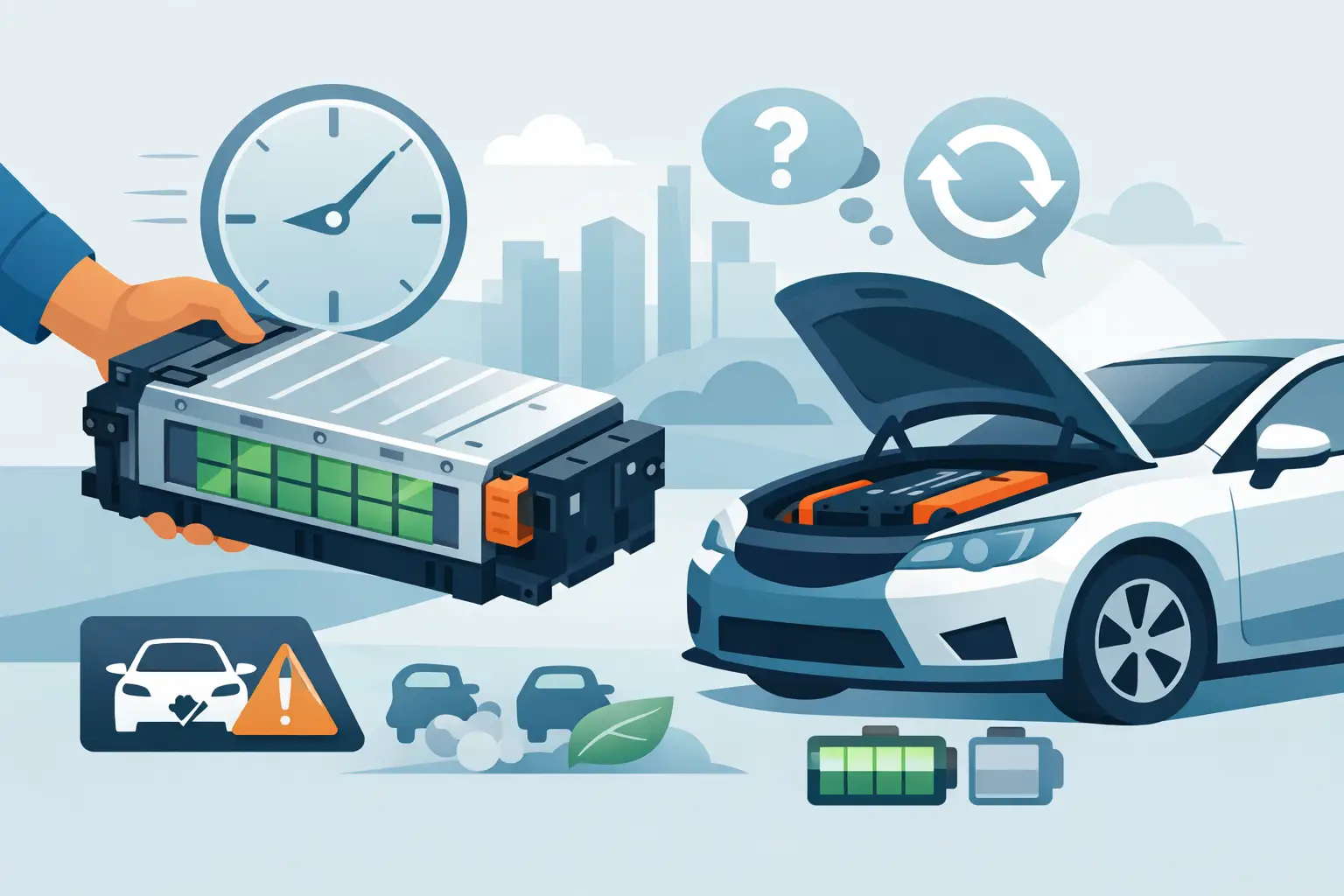
A hybrid usually gives you plenty of warning before the battery becomes a real problem. The trouble is, many drivers miss the signs or assume every warning light means the whole battery has failed. If you are wondering when to replace hybrid battery, the honest answer is this: replace it when testing shows the pack can no longer hold charge properly, performance is dropping, and repairs are no longer cost-effective.
That matters because hybrid battery problems rarely show up all at once. One week you notice lower fuel economy. Then the engine starts running more often than usual. Then a dashboard warning appears, or the car feels sluggish pulling away. By that stage, you need a proper diagnosis, not guesswork.
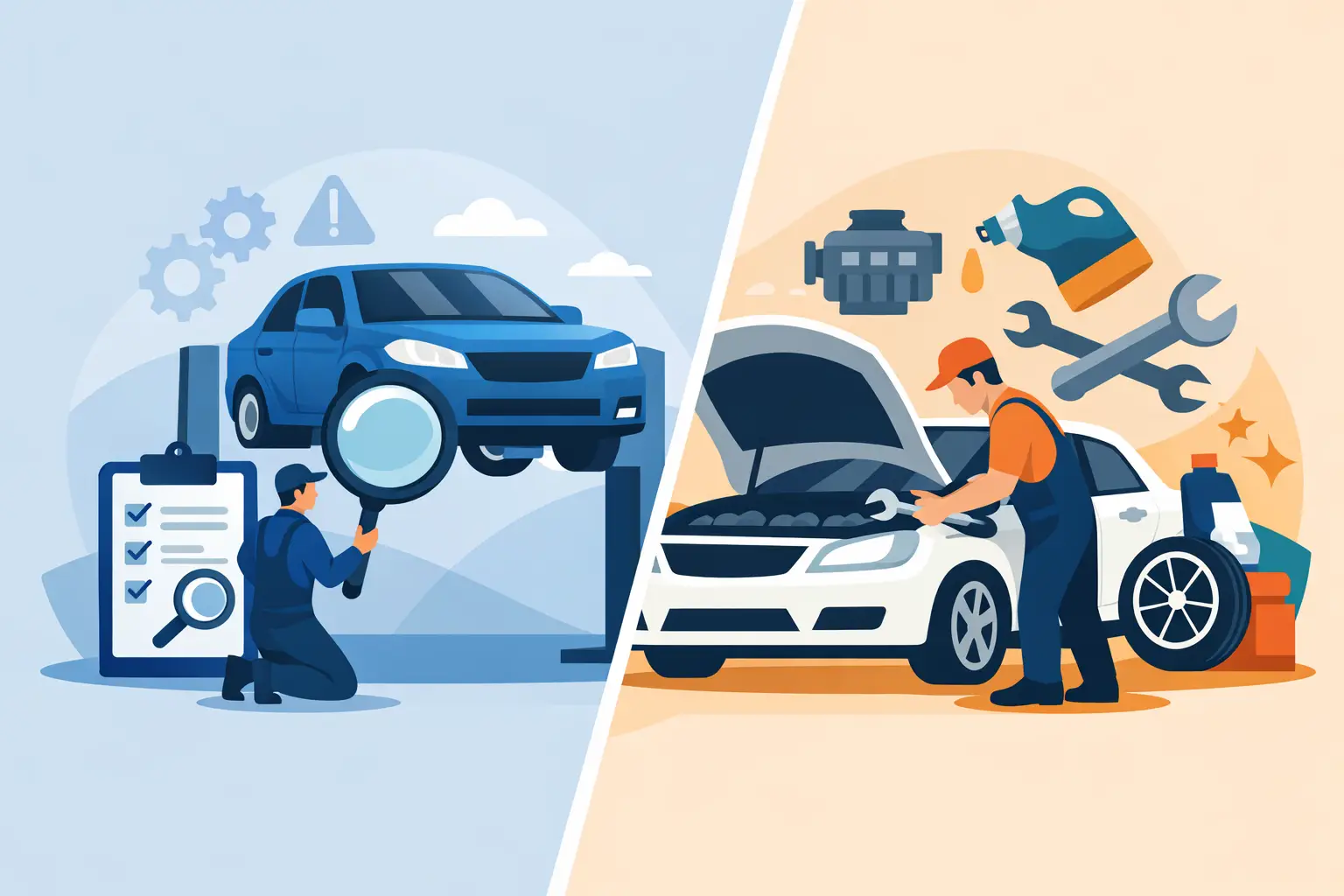
When to replace hybrid battery vs when to repair it
A lot of drivers jump straight to the worst-case scenario. In reality, some hybrid battery faults can be isolated to weak cells, cooling issues, corroded connections, or control system faults. That is why battery testing comes first.
If the battery pack still has good overall balance and capacity, a targeted repair may make sense. If multiple cells are failing, the voltage is inconsistent across the pack, or the battery cannot maintain charge under normal driving, replacement is usually the smarter long-term fix. Spending money on repeated small repairs can become more expensive than replacing the battery once and sorting the problem properly.
This is especially true for older vehicles with high mileage. A hybrid battery can often last 8 to 15 years, but age, heat, driving style, and maintenance all affect that range. A car used for stop-start commuting in traffic may stress the system differently than one driven mainly on open roads.
Common signs that tell you when to replace hybrid battery
The clearest sign is a hybrid warning light or check engine light combined with battery-related fault codes. But before that happens, most cars show smaller changes in day-to-day driving.
One of the first signs is worse gas mileage. If your hybrid suddenly starts using noticeably more fuel and your driving habits have not changed, the battery may no longer be supporting the engine efficiently. The gas engine has to work harder when battery performance drops.
You may also notice that the battery charge level swings up and down too quickly. For example, it appears full, then drops rapidly after a short drive. That can point to reduced battery capacity. A healthy hybrid battery should charge and discharge in a controlled, predictable way.
Another warning sign is the engine running more often than normal. Hybrids are designed to switch between electric and gas power smoothly. If the engine cuts in earlier, stays on longer, or sounds busier in low-speed traffic, the battery may be struggling.
Loss of power is another clue. If the car feels weak when accelerating, hesitates off the line, or does not respond the way it used to, battery output may be dropping. Drivers sometimes mistake this for a transmission or engine problem, which is why proper diagnostics matter.
In some cases, the hybrid cooling fan becomes louder than usual. That can happen when the battery is overheating or working too hard. Heat is one of the main causes of battery wear, so this should not be ignored.
Battery age matters, but condition matters more
It is tempting to judge everything by age alone. A ten-year-old battery sounds old, and sometimes it is at the end of its life. But age by itself is not enough to decide anything.
Some hybrid batteries last well beyond 150,000 miles with no major issues. Others begin to fail earlier because of heat exposure, long periods of sitting unused, poor maintenance, or heavy urban driving. That is why a battery health check is more useful than guessing based on the model year.
If your car is in the 8-to-12-year range and showing clear symptoms, it makes sense to test the battery sooner rather than later. If it is older but still driving well with no warning lights, replacement may not be necessary yet. The battery has to be assessed on actual performance.
What happens if you wait too long
Putting off hybrid battery problems usually does not save money. It often does the opposite.
As battery condition gets worse, the car becomes less efficient and less reliable. Fuel costs rise, the engine works harder, and drivability gets worse. You also run the risk of ending up with a no-start condition or limited driving mode, depending on the vehicle.
There is also the question of collateral strain. A weak battery can force other parts of the hybrid system to compensate. That does not mean every delayed battery issue causes wider damage, but it can increase wear and make the car less dependable.
For drivers who rely on the car every day for commuting, school runs, or work, waiting until the battery fails completely is rarely the best plan. It is better to catch the issue while you still have options.
How hybrid battery testing works
A proper test goes beyond reading one fault code. The battery needs to be checked for voltage differences, charge behavior, internal resistance, temperature patterns, and real-world performance. That helps separate a battery failure from related problems such as inverter faults, charging issues, or poor connections.
This is where experience matters. Hybrid systems are not the same as conventional cars, and replacing parts without confirming the cause can get expensive fast. A clear diagnosis tells you whether the battery truly needs replacing or whether another repair will fix the problem.
For most drivers, this is the key step. Not every warning light means a full battery replacement, but every warning light should be checked quickly.
How much battery decline is too much?
There is no single number that applies to every make and model. Some hybrids can still drive reasonably well with moderate battery wear. Others become unreliable once capacity drops past a certain point.
What matters is whether the battery still supports the vehicle as intended. If capacity loss is minor, the car may remain usable with no urgent need for replacement. If the battery is unbalanced, repeatedly overheating, setting recurring fault codes, or causing serious fuel economy and performance issues, replacement becomes the practical answer.
That is the point many drivers reach after trying to live with the symptoms for a while. The car still runs, but it no longer runs properly.
Is it worth replacing a hybrid battery?
Usually, yes, if the rest of the vehicle is in good condition. A hybrid battery replacement can restore fuel economy, smoother performance, and confidence in the car. For many owners, that is far more affordable than replacing the entire vehicle.
The calculation depends on the age, mileage, and overall condition of the car. If the vehicle also needs major engine, transmission, or body repairs, you have to look at the full picture. But if the car has been reliable and the battery is the main issue, replacement is often the best value move.
This is why drivers should avoid making decisions based on fear alone. Hybrid battery problems sound expensive, but a tested, confirmed repair plan is what actually matters.
When to act
If your hybrid has a warning light, rapidly changing battery charge levels, poor fuel economy, noisy battery cooling, or weaker acceleration, get it checked now. If the car is over eight years old and those signs are starting to appear, battery testing should move higher up your list.
If there are no symptoms, there is no need to replace the battery just because the car has reached a certain birthday. Replace it when condition, test results, and real-world performance all point in the same direction.
That is the difference between wasting money and fixing the problem properly. A good garage will tell you what is failing, how serious it is, and whether repair or replacement gives you the better result. At Euro Auto Tech, that practical approach matters because most drivers do not want theory – they want the right answer, fair pricing, and their car back on the road without delay.
The best time to deal with a hybrid battery is before it leaves you stuck, because small warning signs are a lot easier to manage than a car that suddenly stops being dependable.
Share This Story, Choose Your Platform!
About the author :

Related Posts